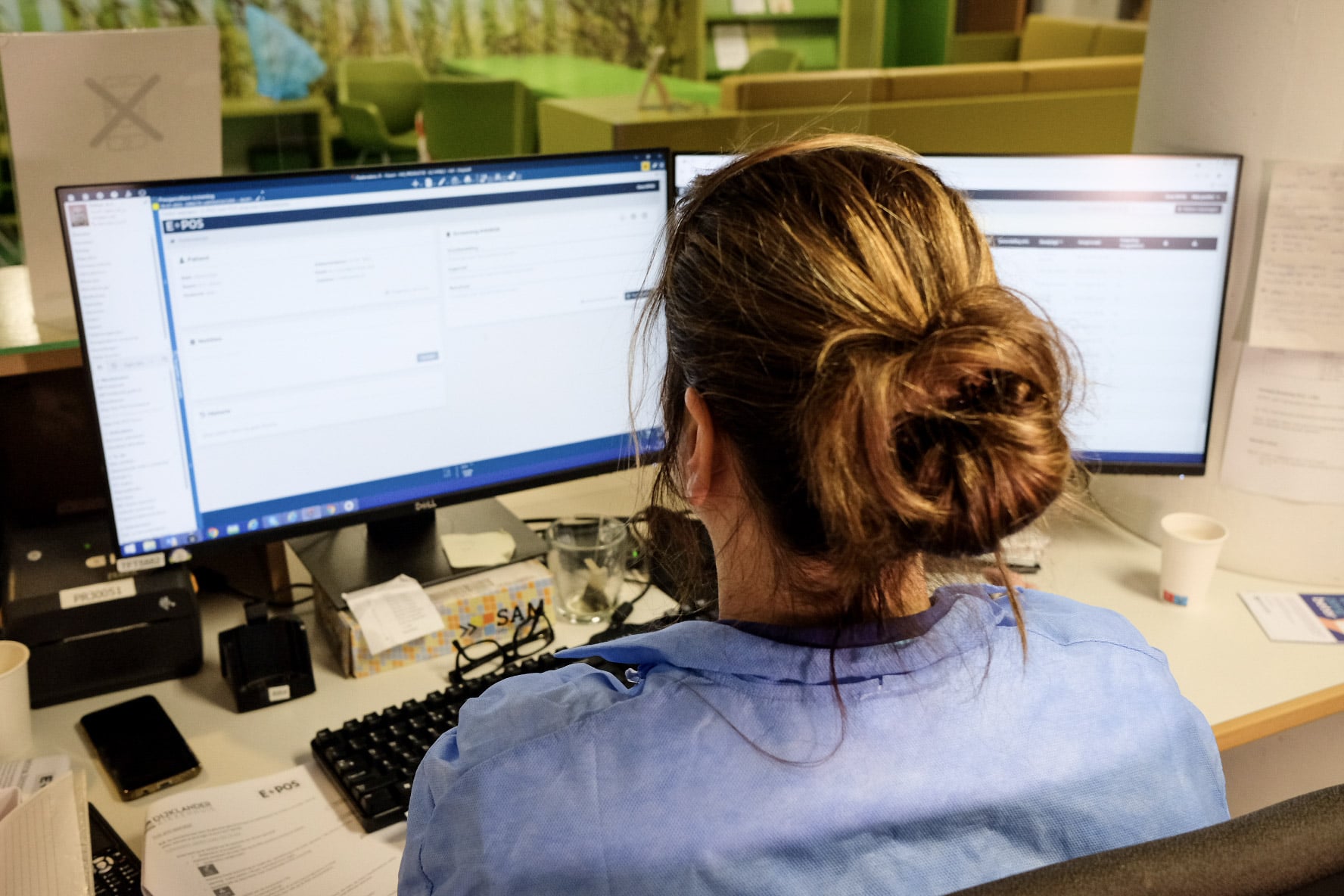
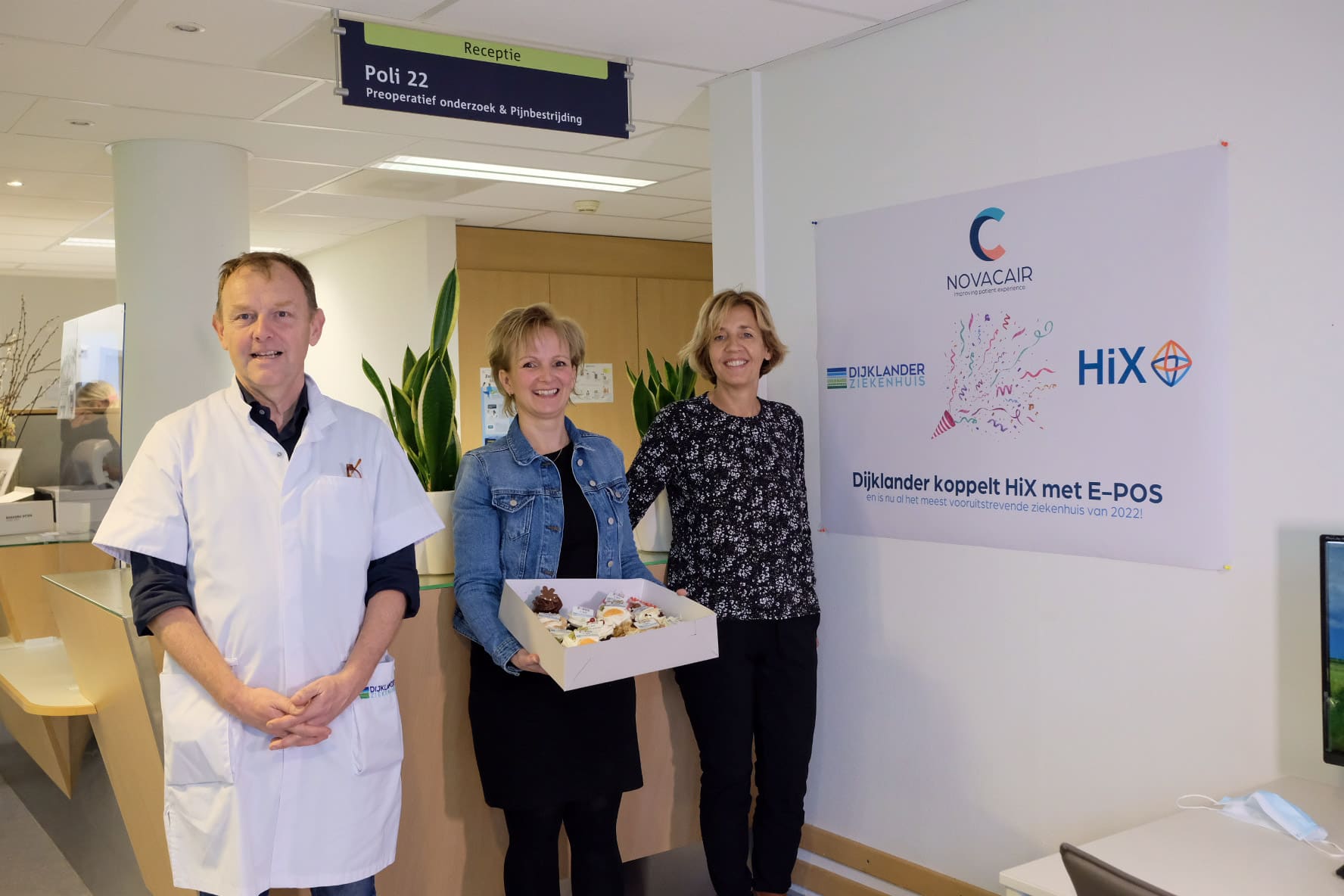
Fewer outpatient visits, greater patient freedom and control, and tailored information. Despite a few hurdles, Dijklander Hospital looks back with satisfaction on working with the digital preoperative screening tool E-POS.
Dijklander Hospital started using the screening software in March 2020. The implementation was inevitably accelerated due to the corona crisis, outpatient clinic nurse Miranda Helmers explains in the NVZ podcast.
Thanks to E-POS, patients no longer need to visit the outpatient clinic to complete a paper questionnaire. Preparing for surgery can now be done from home via a digital screening. First, patients undergo a two-step verification linked to their email address and phone number. After verification, they can complete the digital questionnaire.
Triage system
Based on the answers, an advisory document is automatically generated in accordance with international guidelines. Additionally, the software includes a triage system. This advises whether the patient is suitable for digital clearance, needs a follow-up call from the physician, or needs to come to the hospital. Furthermore, patients receive various instructional videos explaining the surgery, anesthesia options, potential complications, and lifestyle advice.
Better decision-making
With the introduction of E-POS, patient flow at the outpatient clinic has significantly decreased. ‘It is the textbook example of appropriate care,’ says anesthesiologist John van Roy. Patients no longer need to make unnecessary hospital visits, giving them the freedom to complete the questionnaire at their convenience. It also grants patients more control, enabling them to make more informed decisions regarding anesthesia techniques. ‘E-POS gives the specialist greater insight into the patient's health status. Digital triage allows specialists to focus their attention on the patients who truly need it.’
Advice
For hospitals looking to adopt digital preoperative screening, anesthesiologist Van Roy offers the following advice. ‘Carefully evaluate the local situation and the information workflow. If you notice that your current process is cumbersome, you will immediately benefit from implementing digital screening.’ Furthermore, a shift in mindset is required. ‘Within the hospital, you need to establish protocols and decide not to see a specific cohort of patients at the outpatient clinic prior to surgery.’
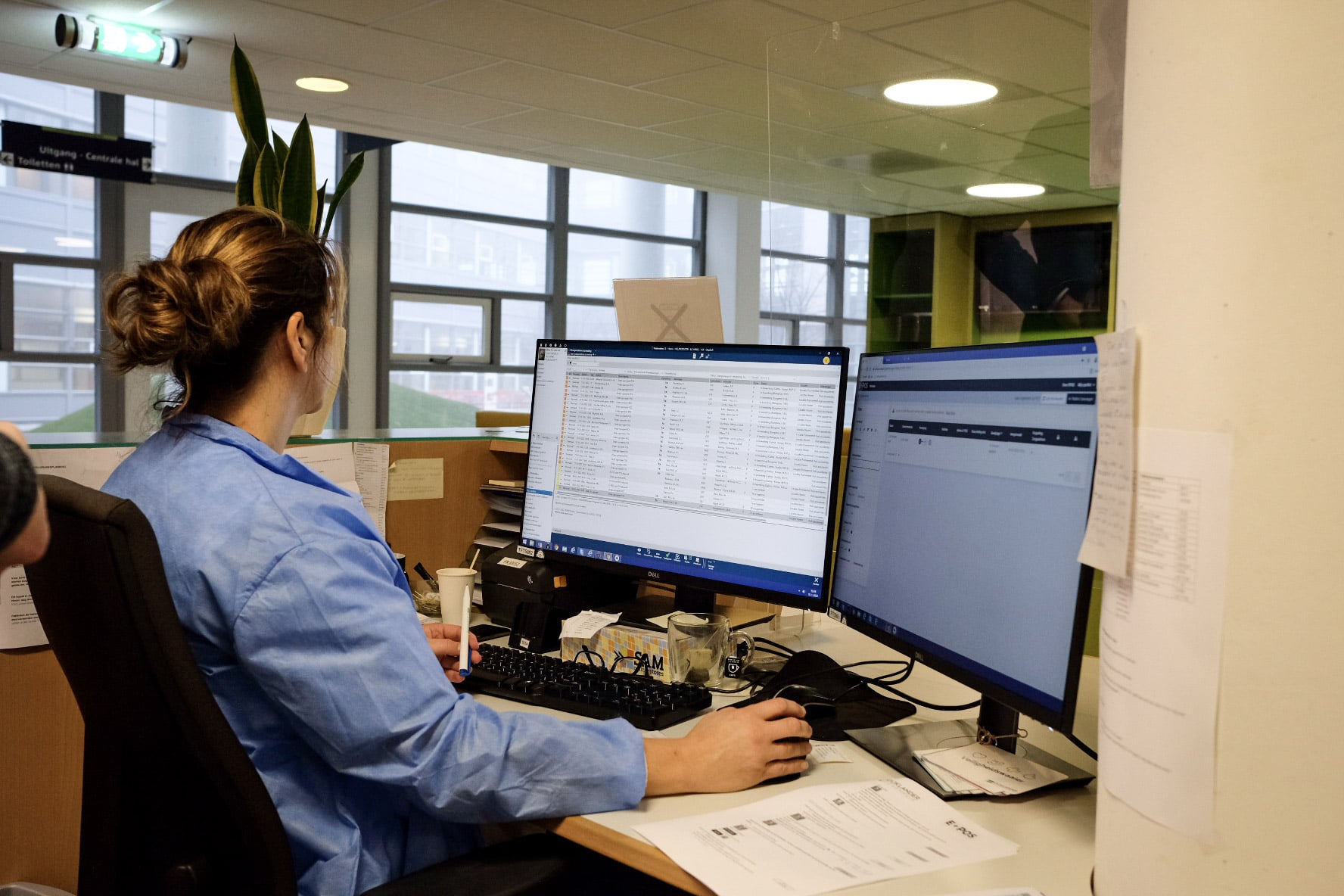
Additionally, start early with the integration between E-POS and the EHR to prevent unnecessary manual re-entry of data by clinic assistants. ‘This facilitates smoother embedding of the patient flow,’ Van Roy states. ‘Above all, ensure that all specialties are properly informed and trained in the modules prior to implementation,’ Helmers adds.